
Data Insights to Actionable Signals to Desired Outcomes

Organizations rely on data insights in today's data-driven world to inform their decision-making processes and drive successful outcomes. However, simply collecting and analyzing data is not enough – these insights must be translated into actionable signals that can be acted upon promptly and effectively. This article explores the role of data-driven decision-making in achieving desired outcomes, focusing on the importance of translating data insights into actionable signals on a journey toward outcomes.
First, lets start with an overview of the data-driven decision-making process, highlighting the various stages and challenges that organizations may face at each step. We then delve into the concept of actionable signals, discussing the benefits of converting data insights into clear and specific actions that can be taken to drive desired outcomes. We also explore the challenges that organizations may face in effectively implementing these signals and offer recommendations for overcoming these challenges.
Finally, we’ll present some case studies demonstrating the impact of data-driven decision-making on achieving successful outcomes, highlighting the importance of translating data insights into actionable signals. These case studies illustrate the value of data-driven decision-making in various contexts, including marketing, product development, and supply chain management.
Introduction:
Data has become an essential component of modern decision-making, with organizations of all sizes and industries relying on data insights to inform their strategies and drive successful outcomes. However, simply collecting and analyzing data is not enough – these insights need to be translated into actionable signals that can be acted upon promptly and effectively.
The data-driven decision-making process involves several stages, including data collection, analysis, and implementation. Organizations may face several challenges at each stage, such as ensuring data quality, making sense of large and complex datasets, and effectively communicating insights to stakeholders. However, the most significant challenge often lies in the final stage – converting data insights into actionable signals that can be implemented to drive desired outcomes.
In this paper, we explore the role of data-driven decision-making in achieving desired outcomes, focusing on the importance of translating data insights into actionable signals. We provide an overview of the data-driven decision-making process, discuss the benefits of actionable signals, and offer recommendations for overcoming challenges in implementing these signals. We also present several case studies demonstrating the impact of data-driven decision-making on achieving successful outcomes.
Data-Driven Decision-Making: An Overview
The data-driven decision-making process involves several stages, including data collection, analysis, and implementation. At the data collection stage, organizations must determine what is relevant and necessary for informing their decisions and then gather this data from various sources. This may include internal data, such as sales and customer data, as well as external data, such as industry trends and market research.
Once the data has been collected, it must be cleaned and organized to allow for effective analysis. This may involve filtering out irrelevant or inaccurate data and organizing the data in a way that allows easy visualization and analysis.
The analysis stage involves using various tools and techniques to uncover insights and trends in the data. This may include statistical analysis, machine learning algorithms, and other forecasting methods.
Challenges in Implementing Actionable Signals
While actionable signals can be extremely valuable in driving desired outcomes, implementing these signals can often be challenging for organizations. Some common challenges include:
- Communication breakdown: Ensuring that all stakeholders understand the data insights and the corresponding actionable signals can be difficult, especially if there are large numbers of stakeholders or if the data is complex or technical. This can lead to misunderstandings and misaligned priorities, hindering the effectiveness of the actionable signals.
- Limited resources: Implementing actionable signals often requires additional resources, such as personnel or funding. Organizations may need help allocating these resources, particularly if they are already stretched thin or if the benefits of the actionable signals need to be clearly communicated.
- Resistance to change: Even when the benefits of implementing actionable signals are clear, some stakeholders may resist changes to existing processes or systems. This can be due to various factors, such as a lack of understanding of the data insights or a fear of the unknown.
To overcome these challenges, organizations must ensure that all stakeholders are involved in the data-driven decision-making process and that the benefits of the actionable signals are clearly communicated. It is also important to allocate sufficient resources to the implementation process and to provide training and support to help stakeholders adapt to the changes.
Case Studies: The Impact of Data-Driven Decision-Making on Achieving Successful Outcomes
To illustrate the importance of data insights leading to actionable signals in achieving successful outcomes, we present several case studies below.
Case Study 1: Marketing
A consumer goods company was looking to increase sales of its products. To do so, they collected data on customer demographics, purchasing habits, and product preferences. Analysis of this data revealed that a significant portion of the company's target market was interested in environmentally-friendly products. Based on this insight, the company developed a marketing campaign highlighting the eco-friendliness of their products, targeting their advertisements to this market segment. As a result of this data-driven decision, the company saw a significant increase in sales of its eco-friendly products.
Case Study 2: Product Development
A technology company sought to develop a new product in high demand among its target market. They collected data on market trends, and customer needs to inform this process. Analysis of this data revealed a high demand for a product that combined the functionality of a laptop and a tablet. Based on this insight, the company developed a hybrid laptop-tablet product, which was met with great success in the market.
Case Study 3: Supply Chain Management
A retail company struggled with inefficiencies in its supply chain, leading to high costs and customer dissatisfaction. To address this issue, they collected data on their supply chain processes and analyzed them to identify areas of waste and inefficiency. Based on this analysis, they developed and implemented a series of actionable signals, including streamlining their warehouse operations and implementing a just-in-time inventory management system. These changes resulted in significant cost savings and improved customer satisfaction.
Conclusion:
In conclusion, data-driven decision-making is crucial in achieving successful outcomes for organizations. However, simply collecting and analyzing data is not enough – these insights need to be translated into actionable signals that can be implemented promptly and effectively. Organizations can drive desired outcomes and achieve success in various contexts by overcoming the challenges of implementing actionable signals.
.png)
When “Transformation” Isn’t Transformation
There’s a quiet absurdity in how most organizations approach change. Every few years, a vendor announces the end of support for a version — and suddenly, an entire enterprise scrambles into “transformation mode.” Slide decks get rewritten, budgets inflate, timelines stretch, and the word strategy gets thrown around like confetti.

Utilities Billing — Don't let Watermelon Reporting fool you. Billing sees the red everyday.
When the dashboards look green but your billing team is buried in exceptions—there’s a disconnect.In utilities, billing becomes the silent sinkhole of revenue operations, absorbing every upstream delay, data miss, and failed process. We call it Watermelon Reporting—green on the outside, red on the inside.This post is an ode to the teams who keep the lights on (and the bills going out) despite the chaos—and how the Celonis Utilities Smart Billing App helps them shift from firefighting to forward-looking.

My Journey to Building the App I Knew Utilities Needed — Part 3: Why the Squeaky Wheel Keeps Winning
In Utilities, being loud pays.If you're the one complaining the most, chances are, your issue jumps the queue. But what happens to the silent failures no one’s yelling about?That’s the question I dive into in Part 3 of my series.We’ve all seen it—leadership pulled into fire after fire, solving the same problems over and over, while deeper issues go unnoticed. Escalation becomes the strategy. And soon, the whole organization is wired for noise instead of insight.In this post, I talk about how we deliberately built our app to flip that model.

My journey to building an App I knew Utilities needed — Part 2 (The Beginning)
In Part 2 of My Journey to Building an App I Knew Utilities Needed, I explore how process mining helped a utility uncover the real causes of delays in the New Connection process—insights that traditional BI tools simply couldn't deliver. This post highlights how utilities can move beyond surface-level reporting to truly understand operational bottlenecks, improve customer experience, and strengthen their rate cases with data-driven transparency.

My journey to building an App I knew Utilities needed — Part 1
"For years, utilities have struggled with process inefficiencies that lead to millions in fines, regulatory scrutiny, and a complete breakdown in customer trust. But what if there was a way to cut through the chaos and truly understand what's going wrong? In this first part of my journey, I share how process mining and the Celonis platform opened my eyes to the brutal truth: most companies don't even recognize their real processes. I’m excited to share how my company, The Good Quarter, is on the verge of launching an app that will finally give utilities the insight they need to fix their meter-to-cash process—and stop the cycle of missed opportunities and massive costs.

A Blockbuster in AI Assistance: Google AI Studio's Screen-Sharing Feature
Discover the groundbreaking new feature in Google AI Studio that lets you share your screen with AI and get real-time, voice-driven assistance. Say goodbye to screenshots and miscommunication—this tool transforms productivity, troubleshooting, and learning by offering seamless, contextual guidance. It's like having J.A.R.V.I.S. from Iron Man as your personal assistant!

Everything, Everywhere, All at Once: The World of Object-Centric Process Mining
Discover how Object-Centric Process Mining (OCPM) with Celonis transforms business operations. Uncover multi-object interactions, hidden relationships, and end-to-end transparency to drive actionable insights and operational efficiency. Learn how Celonis empowers businesses to move beyond traditional process analysis

Building a Conversational Agent for job aids (RAG Use Case)
Turn dense job aids into an always-on assistant that delivers quick, contextual answers. Discover how I built JobAidAgent using Microsoft Co-Pilot Studio and expanded its capabilities with the RAG framework to transform static resources into dynamic insights.

Start with the Question: Turning Data into Insight
Before you touch the data, ask yourself: What do I really want to know? Forget about what the data is; think about what you’re trying to uncover. A good question is specific and meaningful, not just to you but to anyone looking for answers.

Embracing the Opportunities of SAP S/4 HANA Transformations
You hear a lot about the technology risks around S/4 Implementation projects.
What no one is really talking about are the business challenges and what the business can do to address 3 of the most common factors that lead to chaotic and unsuccessful S/4 HANA implementations

Rethinking Metrics: The Power of Object-Centric Process Mining
Discover the transformative power of Object-Centric Process Modeling (OCPM) in business operations. Unlike traditional tools, OCPM provides a dynamic, interconnected view of processes, revealing insights that drive efficiency and strategic alignment. Learn how OCPM is reshaping process analytics and empowering businesses to achieve operational excellence.

Who owns your data?
Do you own your data? What aspects of your data do you control? What areas are you responsible for in your organization? This article explores some of these concepts.

Getting better at what you do by how you do it
There are myriad ways of delivering greater efficiencies to the business. Some rely on incremental changes to deliver value in small increments. In contrast, others require a greater degree of change for an organization.
Sometimes, a large transformation project is an excellent opportunity to restructure your business operations. And one of the ways to consider what that aspirational state should be is by leveraging the principles of Domain Driven Design.

Move aside traditional methods.
It’s 2024. I think the continuous improvement folks could use a taste of their own medicine. I’ve outlined a few ways process mining could be used to improve the traditional process mapping methods
Why you track your life, but not your processes?
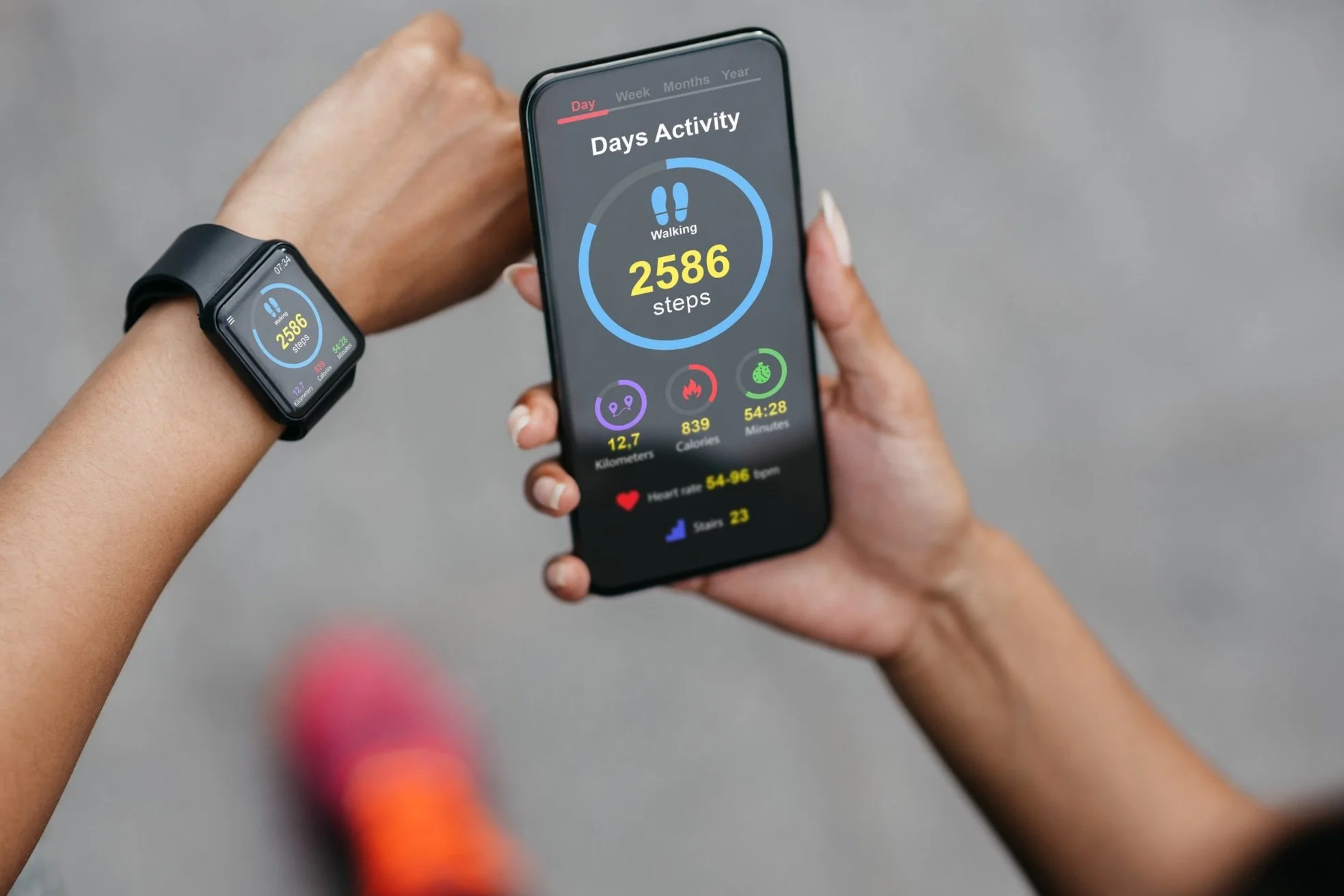
I’m confident you can pick up your smart phone and piece together a significant portion of your life in the past day, month, even years! Can you say the same about your processes at work?

Top 3 reasons why data, analytics and insight are all dressed up and have nowhere to go in your enterprise
In neurology, a condition called ataxia manifests as a lack of muscle control or coordination of voluntary movements, which may be an apt metaphor for this dissonance in the business organization in relation to data.
So what is the solution? What can business leaders do to turn the tide on this trend?